
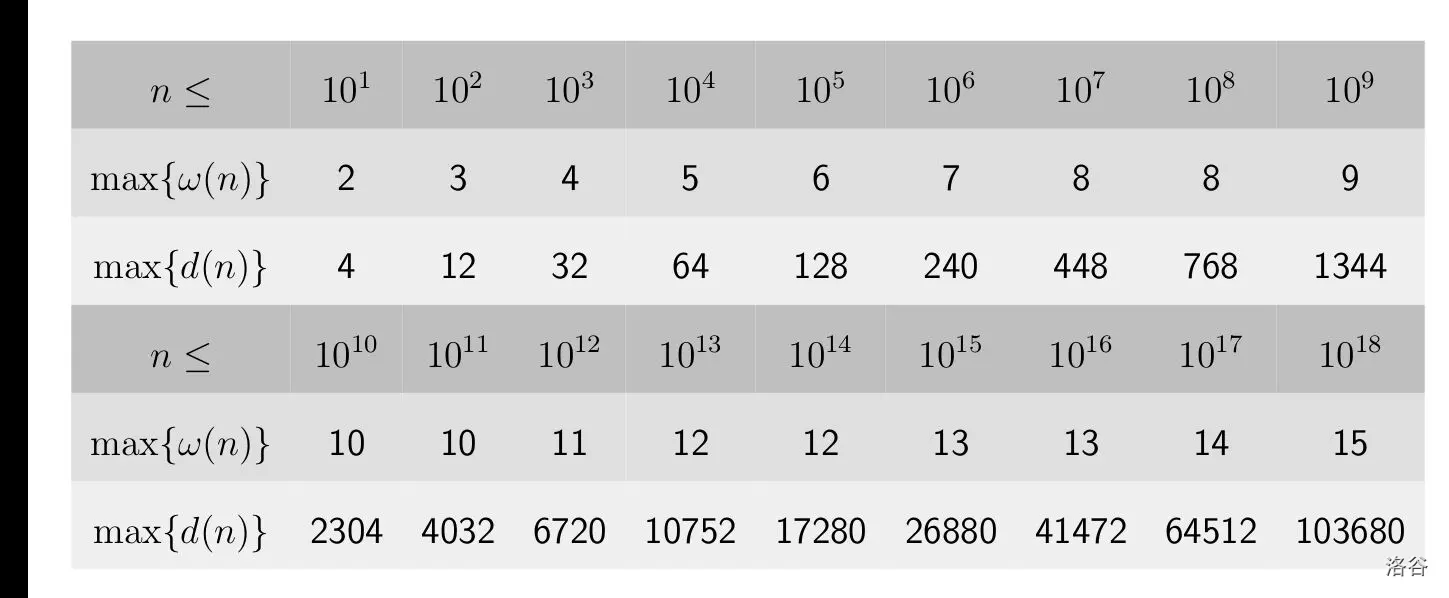
OpenSSL 生成质数:openssl prime -generate -safe -bits BinBit,BinBit 为要求的二进制下位数。检验质数:openssl prime num。
安全的 Hash Function:
struct custom_hash
{
    static uint64_t splitmix64(uint64_t x)
    {
        x += 0x9e3779b97f4a7c15ULL;
        x = (x ^ (x >> 30ULL)) * 0xbf58476d1ce4e5b9ULL;
        x = (x ^ (x >> 27ULL)) * 0x94d049bb133111ebULL;
        return x ^ (x >> 31ULL);
    }

    size_t operator()(const uint64_t x) const
    {
        static const uint64_t FIXED_RANDOM = chrono::high_resolution_clock::now().time_since_epoch().count();
        return splitmix64(x + FIXED_RANDOM);
    }
};让任意网页可以随意编辑:document.body.contentEditable = 'true';
若干随机数异或和为 的概率是 的。
显示文章 Markdown:console.log(JSON.parse(document.getElementById('lentille-context').innerText).data.article.content);
本地测试 IO 交互题(需要安装 Python,来自 https://znpdco.fun/2024/07/27/interactive/,许可证为 CC BY-SA 4.0):
import sys
import subprocess
from threading import Thread, Lock

stop = False

def judger(argv):
    if len(argv) != 3:
        print(f"Usage: {argv[0]} [command1] [command2]", file=sys.stderr)
        return 1

    command1 = argv[1]
    command2 = argv[2]

    def run_command(name, p1, p2):
        global stop
        while True:
            lock = Lock()
            lock.acquire()
            line = p1.stdout.readline()
            if not line or stop:
                stop = True
                lock.release()
                break
            print(name + ": " + line.decode(), end="")
            p2.stdin.write(line)
            p2.stdin.flush()
            lock.release()

    p1 = subprocess.Popen(command1, stdin=subprocess.PIPE, stdout=subprocess.PIPE, shell=True)
    p2 = subprocess.Popen(command2, stdin=subprocess.PIPE, stdout=subprocess.PIPE, shell=True)

    t1 = Thread(target=run_command, args=(command1, p1, p2))
    t2 = Thread(target=run_command, args=(command2, p2, p1))

    t1.start()
    t2.start()

    p1.wait()
    p2.wait()

    return 0

if __name__ == "__main__":
    sys.exit(judger(sys.argv))