
闲话
帅炸了。
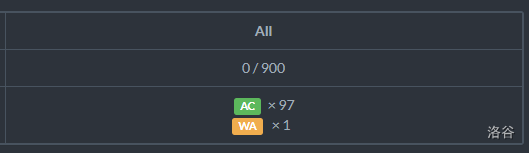
这是主播被 的 case 卡爆了,望周知。
题意
给定长度为 的序列 ,值域为 ,有一些位置未确定。你需要给这些未确定的位置的确定取值,使得序列 的字典序最小。多测,,。
题解
首先特判掉一些 corner case。
若 ,我们让所有 的位置都填 显然最优。
若 中恰好有 个 位于 处,考虑若存在 使得 ,我们就令 ;否则我们令 为最靠前的全局最小值的位置(注意这里求全局最小值时要先令 )。这是因为,如果存在 使得 ,那么 要比 更靠前,所以我们肯定优先把 置为 ;否则我们就要让 尽可能小,在此基础上,考虑到后面的一些满足 的位置,我们还要令 尽可能小,于是 自然就取最靠前的全局最小值的位置了。
接下来考虑 中至少有 个 的情况。
首先和前面一种 case 类似,若存在 使得 ,则令 。
然后考虑所有 的位置,不妨找出 中第一个 的位置 ,。若不存在 ,则令 为最后一个 的位置,强制令 。这样子除了最后一个位置,每个 对应的 都能取到 ,比较优秀。
但是可以发现,这样没有考虑到那些 的 对应的 的取值,换句话说,我们还要尽可能最小化 。怎样可以进一步最小化 呢?可以发现,我们只能考虑提前把某个 的位置置为 。考虑最小的 使得 ,那么显然 之前的 不能动,于是考虑 之后第一个 满足 ,我们可以尝试把这个 置为 。具体来说,我们直接令前文中找到的 和这个 取 即可。
依照上述讨论实现即可。时间复杂度为 。
代码
#include <bits/stdc++.h>

using namespace std;

#define lowbit(x) ((x) & -(x))
typedef long long ll;
typedef unsigned long long ull;
typedef long double ld;
typedef pair<int, int> pii;
const int N = 5e5 + 5;

template<typename T> inline void chk_min(T &x, T y) { x = min(x, y); }
template<typename T> inline void chk_max(T &x, T y) { x = max(x, y); }

int T, n, cnt, a[N];

int main() {
	ios::sync_with_stdio(0), cin.tie(0);
	cin >> T;
	while (T--) {
		cin >> n, cnt = 0;
		for (int i = 1; i <= n; ++i) cin >> a[i], cnt += a[i] == -1;
		if (cnt == 1) {
			int pos = 0, mnp = 0; bool flag = 0;
			for (int i = n; i; --i) {
				if (a[i] == -1) pos = i;
				else {
					if (a[i] == pos) { flag = 1; break; }
					if (!mnp || a[i] <= a[mnp]) mnp = i;
				}
			}
			if (!mnp) mnp = pos;
			if (pos < a[mnp] || (pos == a[mnp] && pos < mnp)) mnp = pos;
			a[pos] = flag ? 1 : mnp;
		} else if (a[1] == -1 || a[1] == 1) {
			for (int i = 1; i <= n; ++i) if (a[i] == -1) a[i] = 1;
		} else if (cnt) {
			for (int i = 1; i <= n; ++i) if (a[i] > i && a[a[i]] == -1) a[a[i]] = 1;
			int pos = 1;
			for (int i = 1; i <= n; ++i)
				if (a[i] == 1) { pos = i; break; }
				else if (a[i] == -1) pos = i;
			for (int i = 1; i <= n; ++i) if (~a[i] && a[i] < i && a[a[i]] == -1) {
				int p = i + 1;
				while (p <= n && ~a[p]) ++p;
				chk_min(pos, p); break;
			}
			for (int i = 1; i <= n; ++i) if (a[i] == -1) a[i] = pos;
			a[pos] = 1;
		}
		for (int i = 1; i <= n; ++i) cout << a[a[i]] << " \n"[i == n];
	}
	return 0;
}