一、priority_pueue队列
优先队列是一种容器,保证容器中的第一个元素一定是所有元素中最大的。这样就可以很方便的动态维护序列的最大值问题。底层实现方法:是使用数据结构——堆来的优先队列,默认为大根堆。优先队列不提供迭代器,不提供遍历功能。
主要函数:
#include <queue>	//开库
priority_queue<int>a;//声明
a.empty()	//返回1,表示堆为空
a.size()	//返回堆的元素个数
a.top()		//返回堆顶元素值
a.pop()		//删除堆顶元素
a.push()	//堆中插入一个元素k
由于不提供迭代器,也不允许遍历,所以并没有begin()、end()等成员函数。默认情况下优先队列中维护的是最大值。
二、priority_queue队列——示例
#include <bits/stdc++.h>
using namespace std;
priority_queue<int>q;
int main()
{
	for(int i=1;i<=5;i++)
		q.push(i);
	while(!q.empty())
	{
		cout<<q.top()<<' ';
		q.pop();
	}
	return 0;
}
/*
output:
5 4 3 2 1
*/#include <bits/stdc++.h>
using namespace std;
priority_queue<int>q;
int main()
{
for(int i=1;i<=5;i++)
q.push(-i);
while(!q.empty())
{
cout<<-q.top()<<' ';
q.pop();
}
return 0;
}
/*
output:
1 2 3 4 5
*/小根堆的实验方法:
1、如上例中把数值乘以-1
2、使用c++提供的比较方法:
priority_queue<int,vector<int>,greater<int> >q;三、priority_queue队列——堆维护结构体
#include <bits/stdc++.h>
using namespace std;
struct rec
{
	int x,y;
};
priority_queue<rec>q;
bool operator <(rec a,rec b)//操作符重载
{
	return a.x<b.x;
}
int main()
{
	for(int i=1;i<=5;i++)
		q.push((rec){i,i*i});
	while(!q.empty())
	{
		cout<<q.top().x<<' '<<q.top().y<<endl;
		q.pop();
	}
	return 0;
}
/*
output:
5 25
4 16
3 9
2 4
1 1
*/
四、操作符重载
C++有许多内置的数据类型,包括int,char,double等,他们之间可以进行算数运算和比较大小。 但两个结构体之间是不能进行这些操作的,比如结构体a+b,这样的语句如果没有重载+运算符就会出错。C++允许用户把这些运算符(包括关系运算符或者位运算符)进行重载,就像sort中的比较函数cmp一样。 竞赛中使用最多的还是结构体之间比较大小,需要重载小于号即可。例如上一页PPT的中的例子。其实就是一种告诉C++结构体之间比较大小的规则。
#include <bits/stdc++.h>
using namespace std;
struct rec
{
	int x,y;
}a,b;
int operator +(rec a,rec b)
{
	return a.x+b.x+a.y+b.y;
}
int main()
{
	a.x=1;
	a.y=2;
	b.x=3;
	b.y=4;
	cout<<a+b<<endl;
	return 0;
}
/*
output:
10
*/
五、数据结构——堆
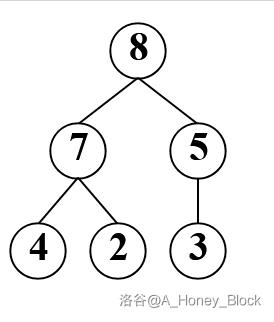
堆(heap)是计算机科学中一类数据结构的统称,堆总是满足下列性质:
- 堆中某个节点的值总是不大于或者不小于父节点的值;
- 堆总是一颗完全二叉树
根节点最大的堆叫做大根堆,根节点最小的堆叫做小根堆。
注:对于深度为k的,有n个结单的二叉树,当且仅当每一个结点都与深度为k的满二叉树中编号从1到n结点——对应时称之为完全二叉树。
插入元素
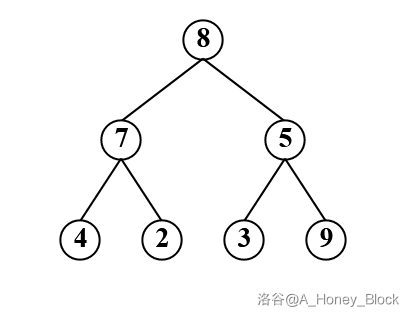 将9插入堆中
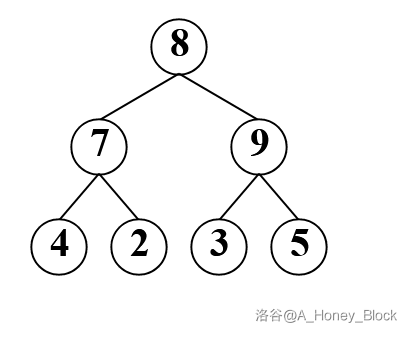 改变位置
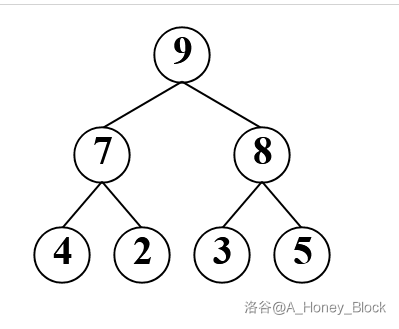
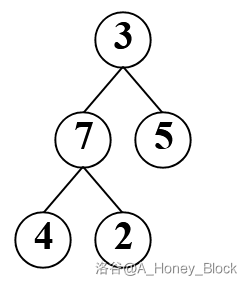
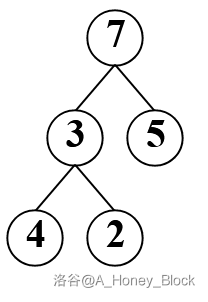
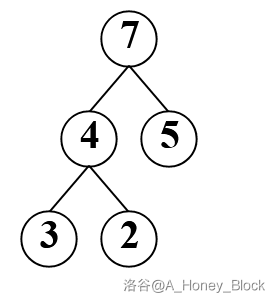
删除堆顶元素