小说版本
工具总览
#include<bits/stdc++.h>
using namespace std;
int graph[105][105],node_count;
bool is_visit[105];
void clear()
{
	memset(graph,0,sizeof(graph));
	node_count = 0;
	memset(is_visit,0,sizeof(is_visit));
	is_visit[1] = 1;
}
void get_graph_nne()
{
	cin >> node_count;
	for(int i = 1;i<=node_count;i++)
	{
		int node1,node2,edge;
		cin >> node1 >> node2 >> edge;
		graph[node1][node2] = edge;
		graph[node2][node1] = edge;
	}
}
void get_graph_matrix_all()
{
	cin >> node_count;
	for(int i = 1;i<=node_count;i++)
		for(int j = 1;j<=node_count;j++)
		{
			int q;
			cin >> q;
			graph[i][j] = q;
		}
}
void get_graph_matrix_half()
{
	cin >> node_count;
	for(int i = 2;i<=node_count;i++)
		for(int j = 1;j<i;j++)
		{
			int q;
			cin >> q;
			graph[i][j] = q;
			graph[j][i] = q;
		}
}
void put_graph_matrix_all()
{
	for(int i = 1;i<=node_count;i++)
	{
		for(int j = 1;j<=node_count;j++)
			cout << graph[i][j] << " ";
		cout << endl;
	}
}
void put_graph_matrix_half()
{
	for(int i = 1;i<=node_count;i++)
	{
		for(int j = 1;j<i;j++)
			cout << graph[i][j] << " ";
		cout << endl;
	}
}
void put_graph_nne()
{
	for(int i = 1;i<=node_count;i++)
	{
		for(int j = 1;j<=i;j++)
		{
			if(graph[i][j] != 0)
			{
				cout << i << " " << j << " " << graph[i][j] << endl;
			}
		}
	}
}
void bfs()
{
	queue<int> q;
	q.push(1);
	is_visit[1] = 1;
	while(!q.empty())
	{
		int node = q.front();
		q.pop();
		for(int i = 1;i<=node_count;i++)
		{
			if(is_visit[i])continue;
			if(graph[node][i] == 0)continue;
			// do something more...
			q.push(i);
			is_visit[i] = 1;
		}
	}
}
void dfs(int node,int step)
{
	for(int i = 1;i<=node_count;i++)
	{
		if(graph[node][i] == 0)continue;
		if(is_visit[i])continue;
		// do something more...
		cout << i << endl;
		is_visit[i] = 1;
		dfs(i,step+1);
		is_visit[i] = 0;
	}
}
int main()
{
	clear();

}
正文
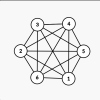
第一次见到图论,是在 Grath Editor 上所见。一见便兴趣大增,画了个头像 学了图的基本知识。
此后,乱写了一份已被判定为 CE 的代码,但是,里面却是我自己研究出来的邻接矩阵。(我也是在备考CSP时得到这个名词的)
与此同时,刚刚学完 BFS 和 DFS,试图应用其到图论上。但是,你说一维 BFS 可以干什么呢?
可以做题 没用。
至少在图论上如此。
后来学了链表,后知后觉地发现这是一种特殊的图。
#include<iostream>
#include<list>
using namespace std;
int main()
{
    list<int> tu;//图
    ......(输入一些似乎没用的数)
    for(auto i = tu.begin();i<tu.end();i++)
    {
        //哦
        //好像写错了
        cout << "第" << i << "个点是" << *i << endl;
    }
}
然后。。。
万能头被我整没了。
然后,我重新写了一个没有判定为 CE 的输入。输入格式是受到 Graph Editor 格式的启发。
void get_graph_nne()
{
	cin >> node_count;
	while(node_count--)
	{
		int node1,node2,edge;
		cin >> node1 >> node2 >> edge;
		graph[node1][node2] = edge;
		graph[node2][node1] = edge;
	}
}
但是,这个输入是按照 节点1 - 节点2 - 权值 的顺序输入的(此后称其为 nne ,就是 Node-Node-Edge 的意思)。我们还需要用矩阵输入。
void get_graph_matrix_all()
{
	cin >> node_count;
	for(int i = 1;i<=node_count;i++)
		for(int j = 1;j<=node_count;j++)
		{
			int q;
			cin >> q;
			graph[i][j] = q;
		}
}
原本还有一个半矩阵输入 get_graph_matrix_half ,但好像有 bug。
(改好了)
void get_graph_matrix_half()
{
	cin >> node_count;
	for(int i = 2;i<=node_count;i++)
		for(int j = 1;j<i;j++)
		{
			int q;
			cin >> q;
			graph[i][j] = q;
			graph[j][i] = q;
		}
}
输入输出很简单,但是呢,我们没有输出。原理都一样,把cin换成cout就行了。
void put_graph_matrix_all()
{
	for(int i = 1;i<=node_count;i++)
	{
		for(int j = 1;j<=node_count;j++)
			cout << graph[i][j] << " ";
		cout << endl;
	}
}
void put_graph_matrix_half()
{
	for(int i = 1;i<=node_count;i++)
	{
		for(int j = 1;j<i;j++)
			cout << graph[i][j] << " ";
		cout << endl;
	}
}
void put_graph_nne()
{
	for(int i = 1;i<=node_count;i++)
	{
		for(int j = 1;j<=i;j++)
		{
			if(graph[i][j] != 0)
			{
				cout << i << " " << j << " " << graph[i][j] << endl;
			}
		}
	}
}
然后,我发现,用 nne 输入再输出一遍是可用自己排序的。
但是大家通过瞪眼法可用发现,很少有题目只会用到这6个函数。
然后我就写了一个bfs,一个dfs。
先不说具体怎么写的,先说图的清空问题。
(原本想把clear简写成clr,但是看到有人把color简写成clr就放弃了)
void clear()
{
	memset(graph,0,sizeof(graph));
	node_count = 0;
	memset(is_visit,0,sizeof(is_visit));
	is_visit[1] = 1;
}
很简单,不是吗?