
P12681 【MX-J15-T1】叉叉学习数据类型题解
传送门:题目。
一道简单的分支结构的题目。
为何时限是两秒?
题目简单总结
给定一个整数 ,判断 可以被int、unsigned int、long long、unsigned long long 和 string 中的哪几种类型存储。
前置芝士:
1:
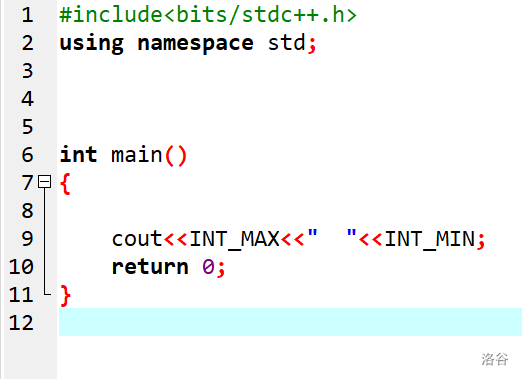
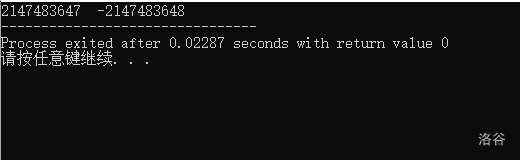
在C++中一些变量类型的极大值和极小值已经被定义过,包括但不限于 int 等。
以 int 为例:
最大值:INT_MAX;最小值:INT_MIN。
2:
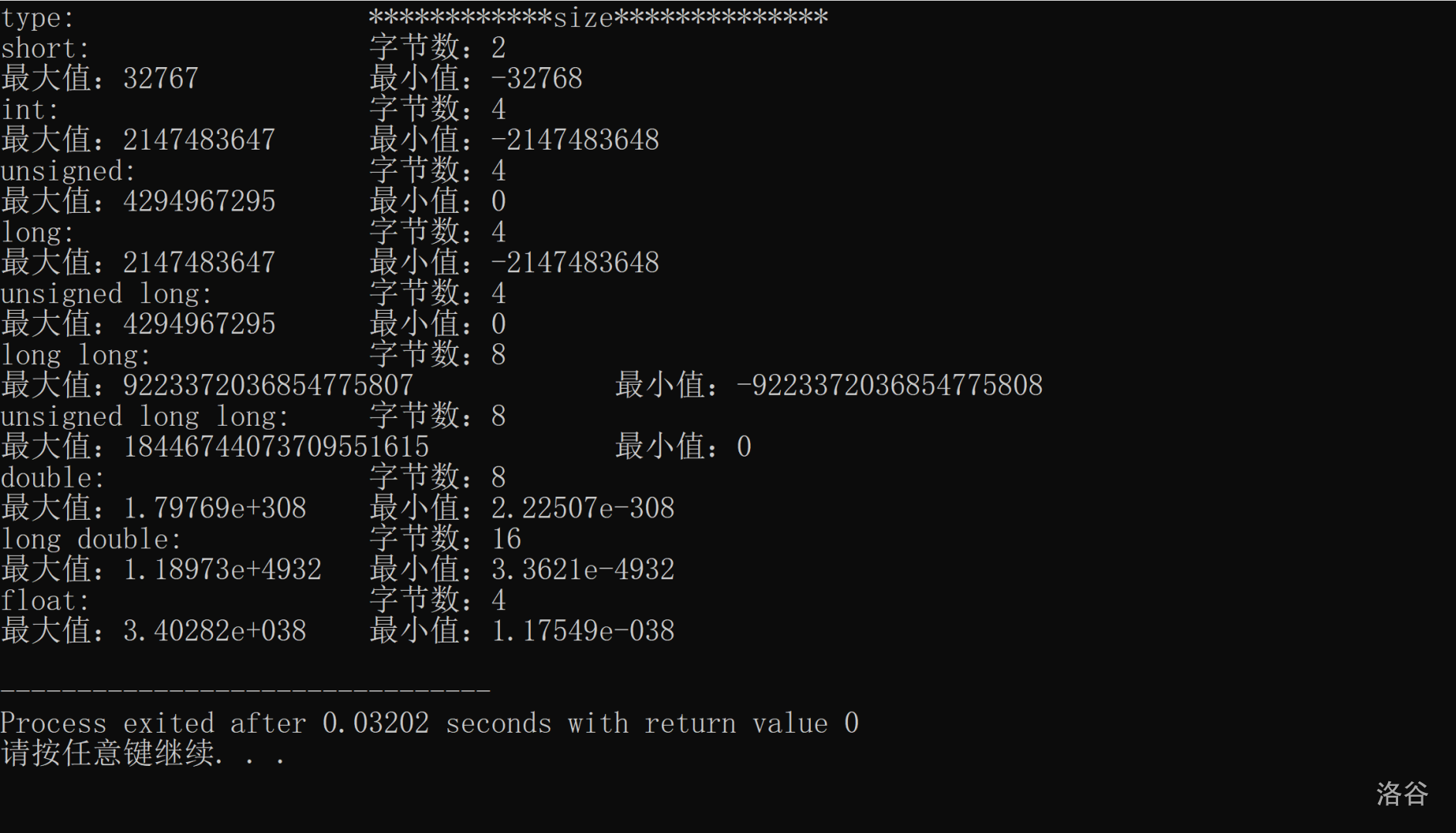
我在这给大家整理了一份代码,能输出大部分数据类型的所占字节数、最大值和最小值。
#include<iostream>
#include<string>
#include <limits>
using namespace std;
int main()
{
    cout << "type: \t\t\t" << "************size**************"<< endl;
    cout << "short: \t\t\t" << "字节数:" << sizeof(short) <<endl;
    cout << "最大值:" << (numeric_limits<short>::max)();
    cout << "\t\t最小值:" << (numeric_limits<short>::min)() << endl;
    cout << "int: \t\t\t" << "字节数:" << sizeof(int) <<endl;
    cout << "最大值:" << (numeric_limits<int>::max)();
    cout << "\t最小值:" << (numeric_limits<int>::min)() << endl;
    cout << "unsigned: \t\t" << "字节数:" << sizeof(unsigned) <<endl;
    cout << "最大值:" << (numeric_limits<unsigned>::max)();
    cout << "\t最小值:" << (numeric_limits<unsigned>::min)() << endl;
    cout << "long: \t\t\t" << "字节数:" << sizeof(long) <<endl;
    cout << "最大值:" << (numeric_limits<long>::max)();
    cout << "\t最小值:" << (numeric_limits<long>::min)() << endl;
    cout << "unsigned long: \t\t" << "字节数:" << sizeof(unsigned long) <<endl;
    cout << "最大值:" << (numeric_limits<unsigned long>::max)();
    cout << "\t最小值:" << (numeric_limits<unsigned long>::min)() << endl;
	cout << "long long: \t\t" << "字节数:" << sizeof(long long) <<endl;
    cout << "最大值:" << (numeric_limits<long long>::max)();
    cout << "\t\t最小值:" << (numeric_limits<long long>::min)() << endl;
	cout << "unsigned long long: \t" << "字节数:" << sizeof(unsigned long long) <<endl;
    cout << "最大值:" << (numeric_limits<unsigned long long>::max)();
    cout << "\t\t最小值:" << (numeric_limits<unsigned long long>::min)() << endl;
    cout << "double: \t\t" << "字节数:" << sizeof(double) <<endl;
    cout << "最大值:" << (numeric_limits<double>::max)();
    cout << "\t最小值:" << (numeric_limits<double>::min)() << endl;
    cout << "long double: \t\t" << "字节数:" << sizeof(long double) <<endl;
    cout << "最大值:" << (numeric_limits<long double>::max)();
    cout << "\t最小值:" << (numeric_limits<long double>::min)() << endl;
    cout << "float: \t\t\t" << "字节数:" << sizeof(float) <<endl;
    cout << "最大值:" << (numeric_limits<float>::max)();
    cout << "\t最小值:" << (numeric_limits<float>::min)() << endl;
    return 0;
}
输出结果是这样的:
代码我就不放了,毕竟抄题解不好。