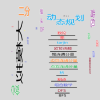
题目大意:
- 倒香槟,如果满了就溢下去,直到浪费。
- 查询某一盘子的香槟。
注意到:如果抹一层满了,无论如何加香槟都直接跳过去,所以可以开个 数组,指向第一个非满的可以溢出到的一层,直接开始查询,降低复杂度。
至于第一次找出溢出可以的一层,可以用单调栈优化。
#include<iostream>
#include<stack>
#define int long long
#define INF 1e18
const int N = 3e5 + 5;
int n,a[N],q,fa[N],used[N];
void in(int &n) {
	char ch = getchar();
	int f = 1,ans = 0;
	while(ch < '0' || ch > '9') {
		if(ch == '-') f *= -1;
		ch = getchar();
	}
	while(ch <= '9' && ch >= '0') ans = (ans << 1) + (ans << 3) + ch - '0',ch = getchar();
	n = ans * f;
}

void out(int n) {
	if(n < 0) putchar('-'),n *= -1;
	if(n > 9) out(n / 10);
	putchar(n % 10 + '0');
}
void out(int n,char c) {
	out(n),putchar(c);
}
int solve(int pos,int x) {
	if(a[pos] - used[pos] > x) {                             //不需要溢出。
		used[pos] += x;
		return pos;
	}

	fa[pos] = solve(fa[pos],x + used[pos] - a[pos]);         //指向第一个非满的可以溢出到的。
  used[pos] = a[pos];                                      //装满了。

	return fa[pos];                                          //反回第一个非满的可以溢出到的。
}
signed main() {
	in(n),in(q);
	std::stack<int> s;
	for(int i = 1; i <= n; i ++) {
		in(a[i]);

		while(!s.empty() && a[s.top()] < a[i]) {
			int u = s.top();
			s.pop();
			fa[u] = i;
		}
		s.push(i);                                             //单调栈   。
	}
	a[n + 1] = INF;
	used[n + 1] = - INF;                                     //保证浪费的一层永远装不满。

	while(!s.empty()) {
		int u = s.top();
		s.pop();
		fa[u] = n + 1;
	}                                                        //浪费的指针。

	while(q --) {
		char op;
		scanf("%c",&op);
		int pos,x;
		in(pos);
		if(op == '?') {
			out(used[pos],'\n');                                  //直接输出。
		} else {
			in(x);
			solve(pos,x);
		}
	}
	return 0;
}
复杂度证明:
- 每个盘子只会被装满一次,复杂度 。
- 没装满的一次询问只会有一次,复杂度 。
- 已经装满了但其他路线的没更新,直接指到头,差不多总共 。
- 单调栈复杂度 。
